Written by Phoenix
We have been enjoying lots of beautiful beaches since we have been in Costa Rica. We have been learning to body board and that’s a lot of fun. However, one thing we have noticed is that when you are on the beach there is quite a lot of rubbish, especially around the high tide mark. We decided to conduct an experiment. We wanted to see how much and what type of rubbish we collected in just half an hour. We went to a beach with buckets to collect rubbish, it took just twenty minutes to fill our buckets. As we didn’t have enough space, we had to find big pieces of plastic to hold little pieces of plastic.
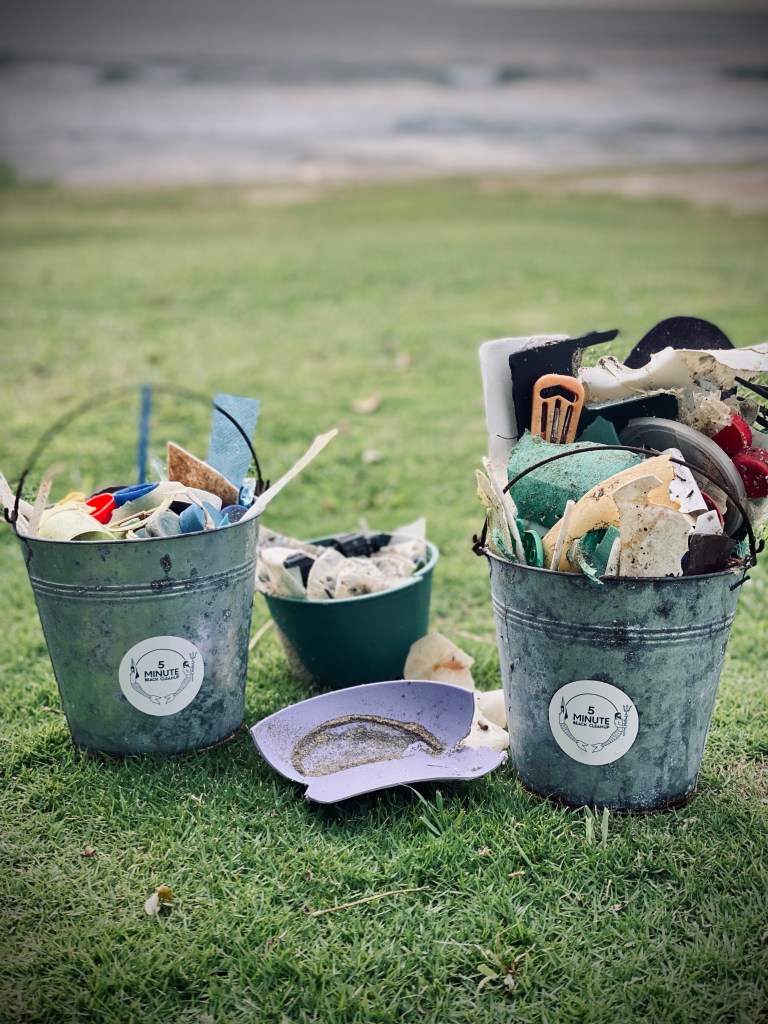
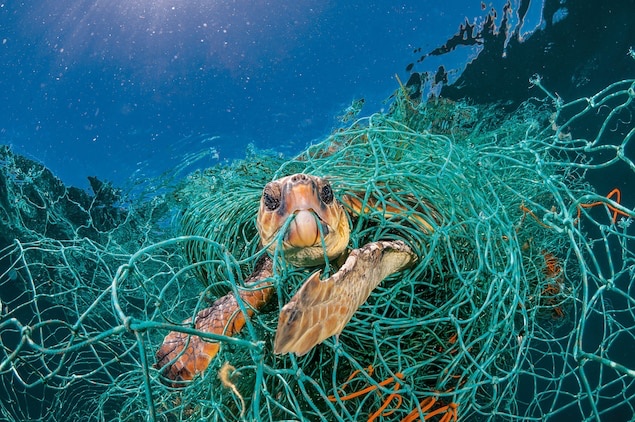
8 million tons of plastic gets dumped in the ocean each year and 51 trillion microscopic pieces of plastic in the ocean. It is estimated that plastics and other pollution in the ocean kill or harm more than 100 million marine animals every year. Some creatures get entangled in the plastic debris, while others like seabirds, turtles, fish, oysters and mussels ingest the plastics, which end up clogging their digestive system and causing death. This is having a big impact on the ocean ecosystems. It also affects our health if the fish we eat have micro plastic in its body.
We read about an eighteen year old Dutch boy called Boyan Slat who went to a Mexican beach for a few days on holiday. When he arrived at the beach he was shocked at how much rubbish was there. After he went back to the Netherlands, he decided to design and make a machine that collects rubbish on beaches and in the ocean. He started building it in 2013 and he launched five years later in September 11th 2018. Boyan Slat has launched a campaign called ‘Ocean Cleanup’. His machine aims to collect 50% of the debris in the Great Pacific Garbage Patch in five years which is quite a lot. The Great Pacific Garbage Patch is made up of two massive areas of rubbish, one close to Japan and one near North America. The rubbish travels from one area to the other in ocean currents. Some floats but some sinks.
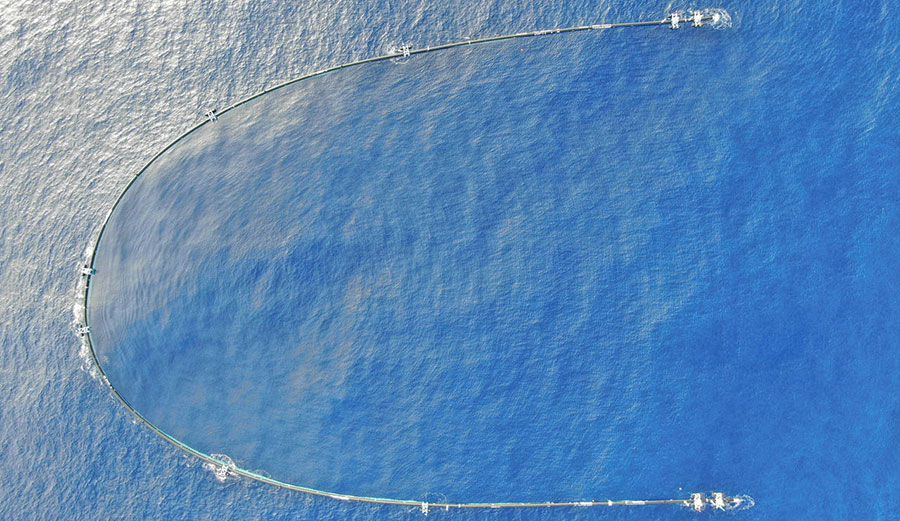

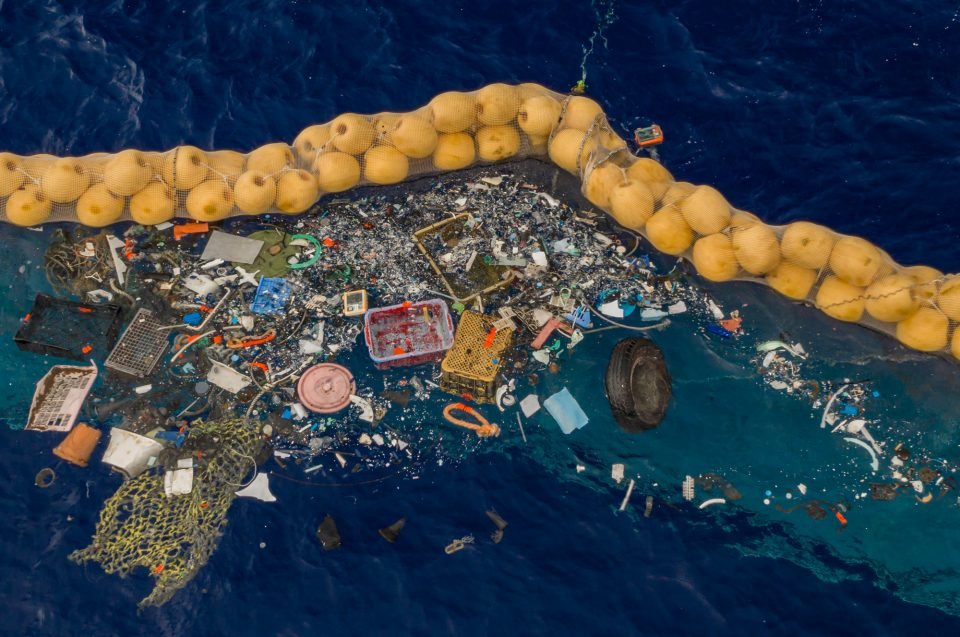

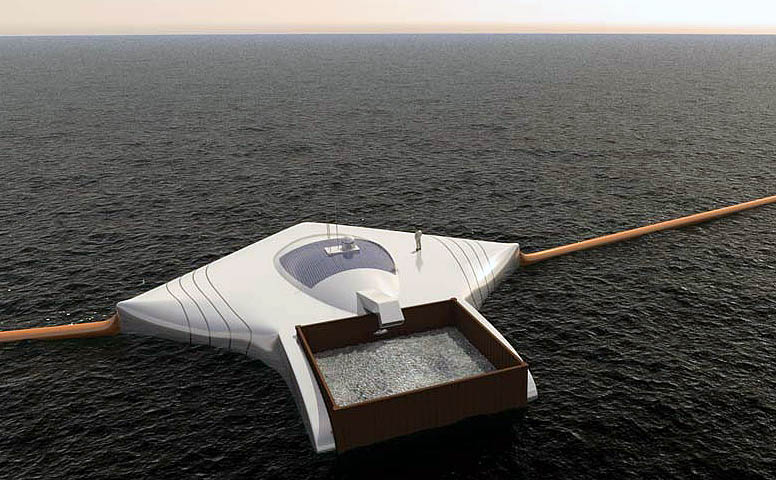
Images from Ocean Cleanup and National Geographic.
Lots of rubbish gets dumped in the ocean but plastic is a particular problem because it does not biodegrade. Instead the sun breaks down the plastics into tinier and tinier pieces. This process is called photodegradation. This makes it difficult to see and it makes a kind of soup. Most of the rubbish comes from plastic bags, bottle caps, water bottles and cups. This was the main type of rubbish we found on the beach when we did our clean up.
I feel disappointed in everyone who is dumping rubbish in the ocean and we need to change it now. I am not going to buy single use plastic anymore and try not to buy plastic packaging. Any plastic I do get I will make sure it is recycled.
 Sky Yonder
Hello lovely Phoenix
Wow I’m so glad you did the litter pick and I’m so pleased you are concerned about the dreadful state of our beautiful planet …. The plastic and litter problem seems to be worldwide but most prominent in the sea killing the sea life!
Your writing was amazing and I was so delighted to read it but most of all pleased by your concern and wanting to do your best to protect the beaches and wildlife
Well done to you!
Hope you have a brilliant Thanksgiving weekend and hope you enjoy the Turkey!
Love you
Grandma xxx
Sent from my iPad
LikeLike
Dear Phoenix,
I loved reading your amazing article and I have definitely learned some things that I did not know before (like the word photodegradation). It must be incredibly sad to see first hand the effects of human behaviour on incredibly vulnerable ecosystems and marine life but I love how you are channelling that into action. The important thing to remember is that we can still act and protect our planet. Children like you will play a very important part in that.
Sending you lots of love
Ori
LikeLike